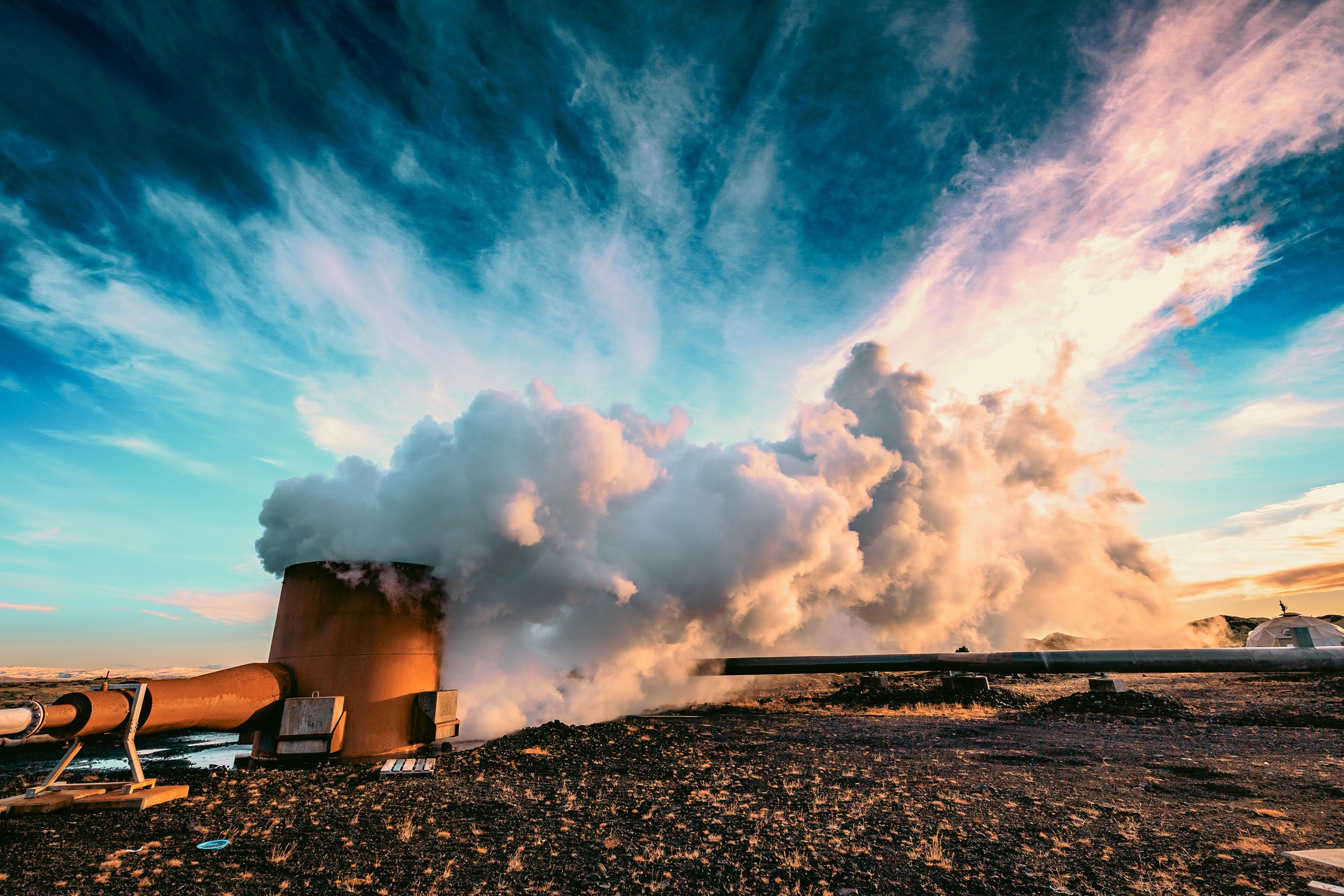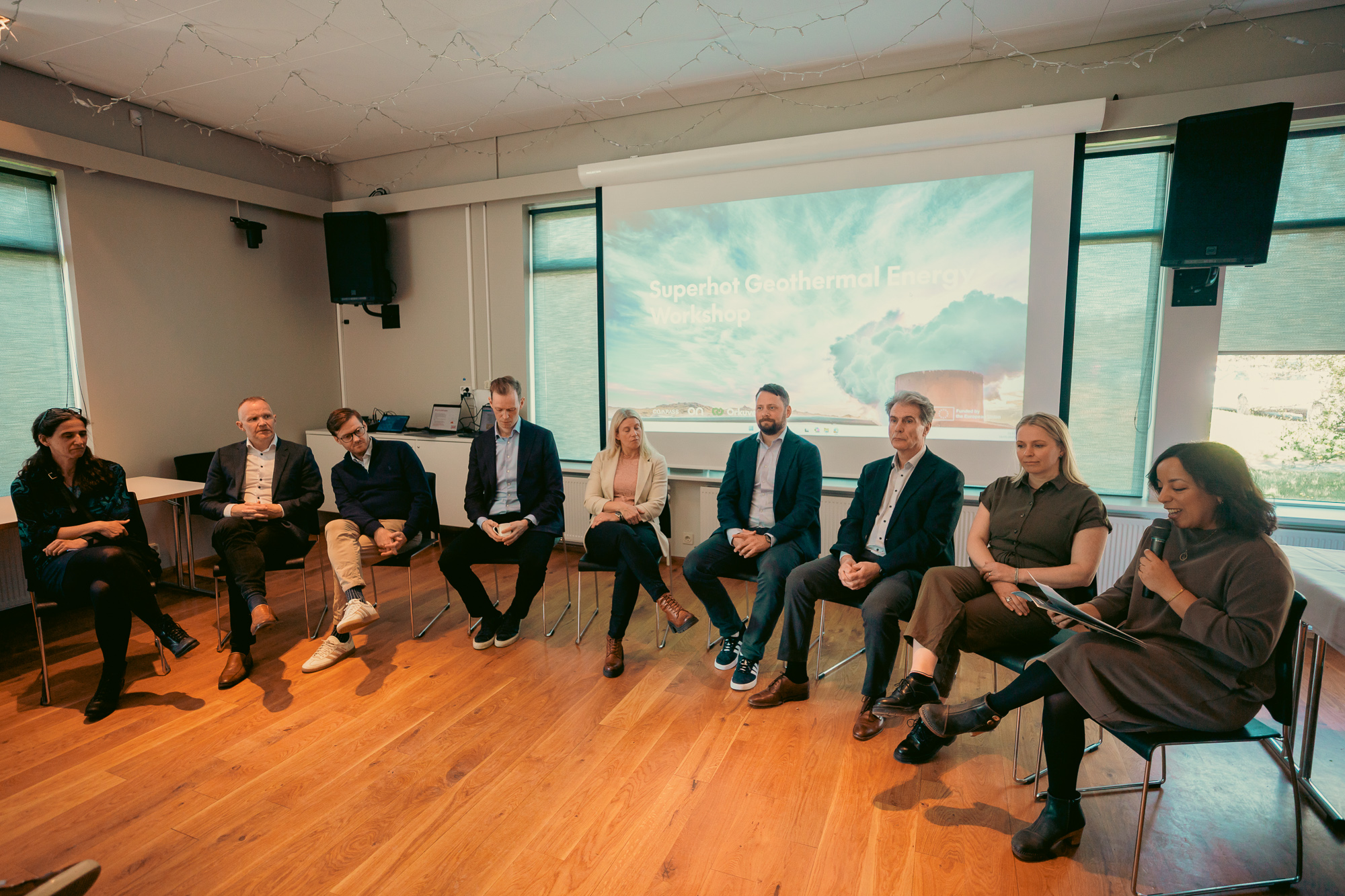

The COMPASS project has been successfully finalised, marking an important milestone in Europe’s efforts to unlock the potential of superhot and high-temperature geothermal energy. Over its full project duration, COMPASS delivered innovative technologies, tools, and policy insights that address some of the most critical barriers to deep geothermal development. Coordinated by a strong European consortium, COMPASS focused on improving well integrity, reliability, cost efficiency, and environmental performance in extreme geothermal conditions above 200 °C.
COMPASS delivered a set of validated technological solutions designed to operate in corrosive, high-temperature, and high-pressure environments, including:
-
Advanced cladding solutions (EHLA) to protect well casings from corrosion while reducing material use and costs
-
Flexible and high-temperature cement systems that improve well integrity under extreme thermal stress
-
Annular Pressure Build-up (APB) relief concepts to enhance well safety and lifetime
-
Integrated simulation and decision-support tools, enabling better well design, risk assessment, and performance prediction
Together, these innovations significantly reduce technical risk and pave the way for higher energy output per well, fewer drilled wells, and lower overall project costs.
COMPASS went beyond laboratory research. Technologies were validated in representative conditions, and their impacts were assessed through techno-economic, environmental, and socio-economic analyses. Key results show the potential to:
-
Reduce geothermal well completion and maintenance costs
-
Lower the levelised cost of geothermal energy
-
Improve environmental performance through reduced material use and surface footprint
-
Enhance public and stakeholder confidence in deep geothermal projects
The project’s results are directly relevant not only for geothermal energy but also for cross-sector applications such as carbon storage, hydrogen storage, and offshore energy systems.
A major outcome of COMPASS is its structured exploitation and replication framework, through which the consortium identified eight Key Exploitable Results (KERs) and organised them into three integrated replication pathways covering material integrity solutions (including cladding, cement systems and annular pressure build-up relief), digital design and verification tools (such as KPIs, simulation models and datasets), and socio-technical uptake (policy recommendations, governance support and communication tools). Clear post-project pathways have been defined for these results, including patent filings, licensing strategies, pilot testing activities, and follow-up projects. In parallel, COMPASS developed policy recommendations that support improved geothermal well standards, informed material selection, and stronger social engagement within permitting and regulatory processes.
Throughout its lifetime, COMPASS placed strong emphasis on communication, dissemination, and stakeholder engagement, ensuring that project outcomes extend well beyond the consortium itself. The project reached thousands of stakeholders through flagship events, workshops, and final conferences, scientific publications and open-access results, collaboration with other European geothermal and energy initiatives, and active engagement with policymakers, industry, researchers, and the wider public. As a result, COMPASS outputs are not only technically robust but also highly visible, accessible, and usable for future geothermal development and related energy applications.
By addressing both technical and societal challenges, COMPASS contributes directly to Europe’s climate neutrality goals, energy security, and the diversification of renewable energy sources. The project strengthens Europe’s position as a global leader in advanced geothermal technologies, with clear pathways toward deployment in the coming years. COMPASS demonstrates how high-risk, high-impact research can deliver concrete solutions that move geothermal energy closer to large-scale, sustainable deployment.
We would like to sincerely thank the entire COMPASS consortium for a highly collaborative and rewarding partnership. Special thanks go to ON Power ohf. (Iceland) as project coordinator, and to all partners — Orkuveita Reykjavíkur, ÍSOR (Iceland GeoSurvey), SINTEF AS (Norway), HLC (Netherlands), CURISTEC (France), COSVIG (Italy), TVS (UK), and TWI Limited (UK) — whose shared dedication made these results possible.
More on the project visit: https://compass-geothermal.eu/
COMPASS has received funding from the European Union’s Horizon Europe research and innovation programme under grant agreement nº. 101084623.
Funded by the European Union. Views and opinions expressed are, however, those of the author(s) only and do not necessarily reflect those of the European Union or CINEA. Neither the European Union nor the granting authority can be held responsible for them.