
International Projects Support by GEORG
EPOS ON: Bridging the Gap Between Science & Industry
GEORG is a partner in the Horizon Europe-funded EPOS ON project, which supports the optimization and long-term evolution of the European Plate Observing System (EPOS)—a pan-European research infrastructure for solid Earth science. EPOS ON aims to expand data services, engage new user communities, and strengthen links between research and societal needs.
EPOS ON is also devoted to shortening the gap between science and the private sector by enabling knowledge transfer and technological innovation. As a result, EPOS ON will reinforce the EPOS capability to unite scientific communities and countries, reducing fragmentation in the European Research Area.
Website: https://www.epos-eu.org/on
EU Contribution: € 3 972 500
Duration: 1 September 2024 – 31 August 2027
Key activities in 2025 include:
- GEORG engaged with stakeholders to prepare a roadmap for the integration of KMT data inside the EPOS TCS Volcano Observations The roadmap is a deliverable in the EPOS ON project which will be presented in 2026.
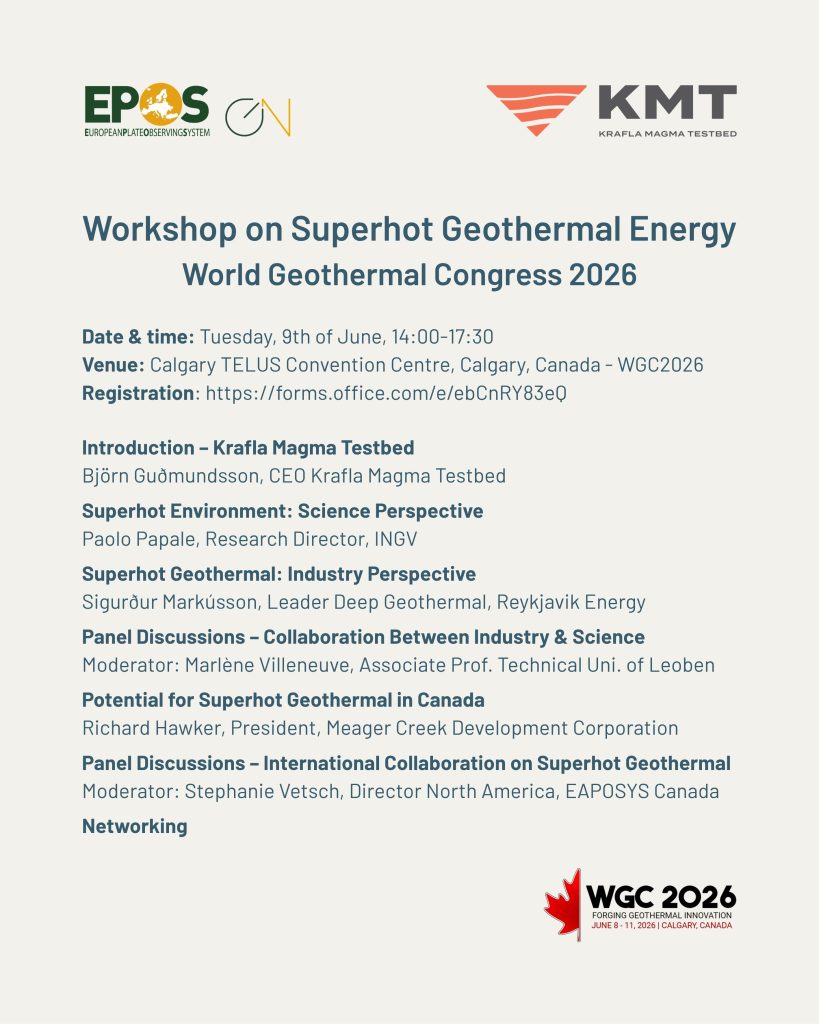
- GEORG is organising, in collaboration with KMT, INGV, and Landsvirkjun a workshop at the World Geothermal Congress (WGC) in Calgary, Canada on the 9th of June 2026. The workshop will focus on superhot geothermal energy and explore collaboration between the science community and industry. The workshop is on the official agenda of the WGC, and will therefore be highlighted in the geothermal energy community, thus ensuring quality participation. Ten early-career scientists will receive a travel grant to attend the workshop.
COMPASS: Advancing Development of Superhot Geothermal Energy
The EU-funded COMPASS project address the main technical challenges of drilling into superhot formations. Those challenges include well integrity issues due to high temperature, and corrosive fluid chemistry. COMPASS will deliver improved and innovative well design to solve those challenges. Novel foam cement solutions suitable for high-temperature formations will be developed to improve well integrity, and cost-effective laser cladding will be used to improve corrosion protection inside the casing pipes.
Throughout its lifetime, COMPASS placed strong emphasis on communication, dissemination, and stakeholder engagement, ensuring that project outcomes extend well beyond the consortium itself. The project reached thousands of stakeholders through flagship events, workshops, and final conferences, scientific publications and open-access results, collaboration with other European geothermal and energy initiatives, and active engagement with policymakers, industry, researchers, and the wider public. As a result, COMPASS outputs are not only technically robust but also highly visible, accessible, and usable for future geothermal development and related energy applications.
Website: https://compass-geothermal.eu/
EU Contribution: € 4 184 145
Duration: 1 November 2022 – 31 October 2025
Key activities in 2025 include:
- COMPASS Webinar on Advancing Superhot Geothermal Energy:
GEORG, in collaboration with the COMPASS project, organised a webinar titled “Superhot Geothermal Energy Production” on 15 January 2025. The session featured presentations on engineering innovations for well integrity and thermal stress mitigation, alongside discussions on circular-by-design approaches for sustainable geothermal well development. - COMPASS Iceland Week:
GEORG, in collaboration with Orkuveitan and ON Power, organised COMPASS Iceland Week, bringing together project partners and stakeholders through a series of key events:- Final General Assembly:
The COMPASS consortium met for a full-day session to review project progress and prepare for its final phase. GEORG contributed to the strategic review, with a focus on dissemination, exploitation, and ensuring long-term impact beyond the project’s lifetime. - International Summer School:
GEORG coordinated the COMPASS Summer School, welcoming 35 participants from 17 countries across five continents. The two-day programme featured lectures from 14 geothermal experts, a poster session, and a field visit to the IDDP-2 deep drilling site at Reykjanes. The programme focused on high-temperature well systems and advanced materials, aligned with COMPASS research priorities. - National Stakeholder Workshop:
GEORG co-organised a national stakeholder workshop, bringing together key actors from Iceland’s geothermal sector. Two panel discussions, strategic and technical, explored enabling conditions for superhot geothermal (SHG), lessons learned from the IDDP project, and the importance of public engagement and sector alignment.
- Final General Assembly:
- Regional Stakeholder Workshop (Canary Islands):
Within the COMPASS framework, GEORG contributed to a regional stakeholder workshop focused on advancing high-temperature geothermal development in the Canary Islands. The workshop highlighted regional opportunities, challenges, and knowledge transfer across geothermal markets. - Final Project Event at the European Geothermal Congress (EGC):
GEORG co-organised the final COMPASS project meeting held during EGC. The event brought together stakeholders to reflect on key achievements and future pathways. Amel Barich presented during a roundtable session titled “Developing Effective Communication Guidelines for Geothermal Energy Projects,” highlighting the importance of transparency, storytelling, and stakeholder engagement in strengthening geothermal communication strategies.


GEOTHERMICA Initiative: Strengthening Collaboration on Geothermal Energy
The GEOTHERMICA project has transitioned into the GEOTHERMICA Initiative, now firmly established as a strategic platform for accelerating geothermal energy deployment across Europe. Managed by GEORG along with the Environmental and Energy Agency of Iceland, UOS, the Initiative supports its Cabinet and Members in launching co-funded calls, coordinating joint activities, and driving the initiative’s smooth and effective operation.
GEOTHERMICA’s core mission is to align national research and innovation programs through public-sector collaboration, creating a unified front that accelerates the integration of geothermal energy into the broader energy transition. The vision is clear: moving beyond isolated national efforts and fostering long-term, transnational cooperation that strengthens the geothermal sector. In 2025, GEOTHERMICA organized several key events that bring together stakeholders from the geothermal community.
Website: https://www.geothermica.eu/
Key activities in 2025 include:
- The GEOTHERMICA Initiative and Geothermal IWY co-organized a joint meeting in conjunction with the District Heating & Cooling Days 2025. The meeting took place in Vienna on 23 May 2025.
- Workshop on UTES: The GEOTHERMICA Initiative co-organized a workshop on UTES with IEA Geothermal and the Geothermal IWG.. The event took place on 22 May 2025 in conjunction with the District Heating & Cooling Days in Vienna UTES Workshop 2025.
- Knowledge-Sharing Workshop: The event was held at The Ramshorn in Glasgow and co-organized by the University of Strathclyde, Scottish Enterprise, CET Partnership, and the GEOTHERMICA Initiative, with cooperation from JPP SES on 16-17 of September 2025. The workshop brought together leading European projects focused on decarbonizing heating and cooling systems. European heating & cooling innovation on display in Glasgow
- Symposium on UTES: GEOTHERMICA Initiative, the Geothermal IWG, and IEA Geothermal are co-organizing a UTES Symposium (Underground Thermal Energy Storage) in conjunction with the European Geothermal Congress on 6 October 2025 in Zurich, Switzerland. UTES Symposium in Zurich, 2025
- High-level Conference in Kraków: The GEOTHERMICA Initiative took part in a conference on 7–8 May 2025, organised under the Polish Presidency of the Council of the EU. Europe Puts Geothermal on the Policy Table
- Annual Meeting in Oradea: The GEOTHERMICA Initiative Annual Meeting 2025 brought together key stakeholders, researchers, and policymakers from across Europe to discuss the latest advancements in geothermal energy and strengthen international collaboration. Hosted in a hybrid format, the meeting focused on strategic priorities for the year ahead, including new funding opportunities, research initiatives, and policy developments. GEOTHERMICA Initiative Annual Meeting
By coordinating these events and initiatives, GEOTHERMICA continues to shape the future of geothermal energy in Europe and beyond, ensuring it remains a central pillar of the clean energy transition.

Clean Energy Transition Partnership: Supporting Heating & Cooling Technologies
The Clean Energy Transition Partnership collaborates on research, technology development, and innovation across borders. It aims to boost the shift towards clean energy by combining funding from regional and national Research, Technological Development and Innovation (RTDI) programs. The goal is to support the EU’s aim of becoming climate-neutral by 2050. CETP aims to fund various technologies and solutions needed for this transition by pooling national resources.
GEORG actively manages the TRI4 Heating and Cooling Office in close collaboration with RVO and PtJ. Over the past year, our work has contributed to shaping monitoring guidelines for partnership calls, refining the impact strategies of funded projects, and defining the scope of upcoming calls in the heating and cooling sector. As leaders of the Heating and Cooling Challenge (TRI4), we organise annual Joint Calls and drive strategic initiatives that advance geothermal solutions for heating and cooling. In addition to managing the office, GEORG plays a key role in steering the strategic direction and promoting the wider adoption of geothermal energy and related technologies. The TRI4 Challenge supports a broad portfolio of heating and cooling technologies, including geothermal energy at all depths, solar thermal applications, building-integrated systems, energy storage solutions, and industrial applications.
Website: https://cetpartnership.eu/
EU Contribution: € 136 317 393
Duration: 1 May 2022 – 31 December 2030
Key activities in 2025 include:
- Knowledge Sharing Workshop: The event was hosted at The Ramshorn and jointly organised with the University of Strathclyde, Scottish Enterprise, the CETPartnership, the GEOTHERMICA Initiative, and JPP SES on the 16-17 of September 2025. The workshop gathered over 40 participants from transnational projects funded through the CETPartnership Joint Calls 2022 and 2023, as well as GEOTHERMICA and JPP SES. It provided a platform to exchange knowledge, strengthen collaboration, and showcase tangible progress in geothermal energy, thermal storage, and the integration of smart energy systems. Heating & Cooling Knowledge Sharing Workshop – Georg – Geothermal Research Cluster
- CETP TRI4 Office: GEORG supports the work of the TRI4 Heating & Cooling Initiative by running the office and organising regular meetings for stakeholders. GEORG’s role focused on connecting stakeholders, fostering dialogue, and making results visible, ensuring that researchers, companies, and funding agencies could share insights and build new synergies.
Through these initiatives, GEORG continues to push sustainable energy solutions, reinforcing CETP’s mission to accelerate Europe’s clean energy transition. With a detailed plan targeting 2030, CETP tackles key challenges of the energy transition, emphasising tangible results and measurable impacts.
GEOTHERM-FORA: Supporting the Geothermal Implementation Working Group
The GEOTHERM FORA project works towards facilitating research and innovation (R&I) activities by supporting the work of the Geothermal Implementation Working Group (IWG) and the European Technology & Innovation Platform on Geothermal (ETIP). The project is EU funded, and is part of the HORIZON Climate, Energy and Mobility Programme. The project consortium consists of seven European entities including GEORG Geothermal Research Cluster, and is led by the European Geothermal Energy Council (EGEC). GEORG manages one of the work packages of the project which aims to strengthen, monitor, and expand the collaboration in the Geothermal IWG. GEORG also runs the secretariat for the Geothermal IWG.
The Geothermal IWG is one of the designated working groups supporting the implementation of the SET Plan, Europe’s Strategic Energy Technology Plan. The Geothermal IWG brings together SET Plan countries, the European Commission, the geothermal energy industry (EGEC & ETIP), and the research community (EERA) at a European level.
The mission of the Geothermal IWG is to coordinate research and innovation efforts and jointly support the transition to a resilient and climate-neutral Europe which utilises geothermal energy to its full potential. The Geothermal IWG identifies pressing issues for the development of Europe’s geothermal energy market, aligning industry support and R&I activities of its respective member states. The key priorities of the Geothermal IWG are heating and cooling technologies; power technologies; storage; and co-production of minerals.
Website: https://www.geothermal-iwg.eu/geotherm-fora
EU Contribution: € 999 546
Duration: 1 September 2022 – 31 August 2025
Key activities in 2025 include:
- The Geothermal IWG and the GEOTHERMICA Initiative organized a joint meeting in conjunction with the District Heating & Cooling Days 2025. The meeting took place in Vienna on 23 May 2025.
- The Geothermal IWG General Assembly took place online on 27 February 2025. Members were encouraged to participate in a survey to collect data on the geothermal sector in Member States.
- Workshop on UTES: The Geothermal IWG co-organized a workshop on UTES with IEA Geothermal and the GEOTHERMICA Initiative. The event took place on 22 May 2025 in conjunction with the District Heating & Cooling Days in Vienna https://georg.cluster.is/utes-workshop-in-vienna/.
- Symposium on UTES: The Geothermal IWG, GEOTHERMICA Initiative, and IEA Geothermal are co-organizing a UTES Symposium (Underground Thermal Energy Storage) in conjunction with the European Geothermal Congress on 6 October 2025 in Zurich, Switzerland https://www.geothermica.eu/article/utes-symposium.
- The Chair and Secretariat of the Geothermal IWG participated in the Geotermia high-level Conference in Krakov, Poland, on 7-8 May 2025. The IWG Co-Chair participated in a panel session at the Conference (in person).
- New members in the Geothermal IWG were actively recruited.
- The Annual SET Plan Reporting Exercise was submitted in June 2025. The report lists progress and highlights of the Geothermal IWG, as well as targets update, status of activities, investment needs, challenges, and future plans of the Geothermal IWG.
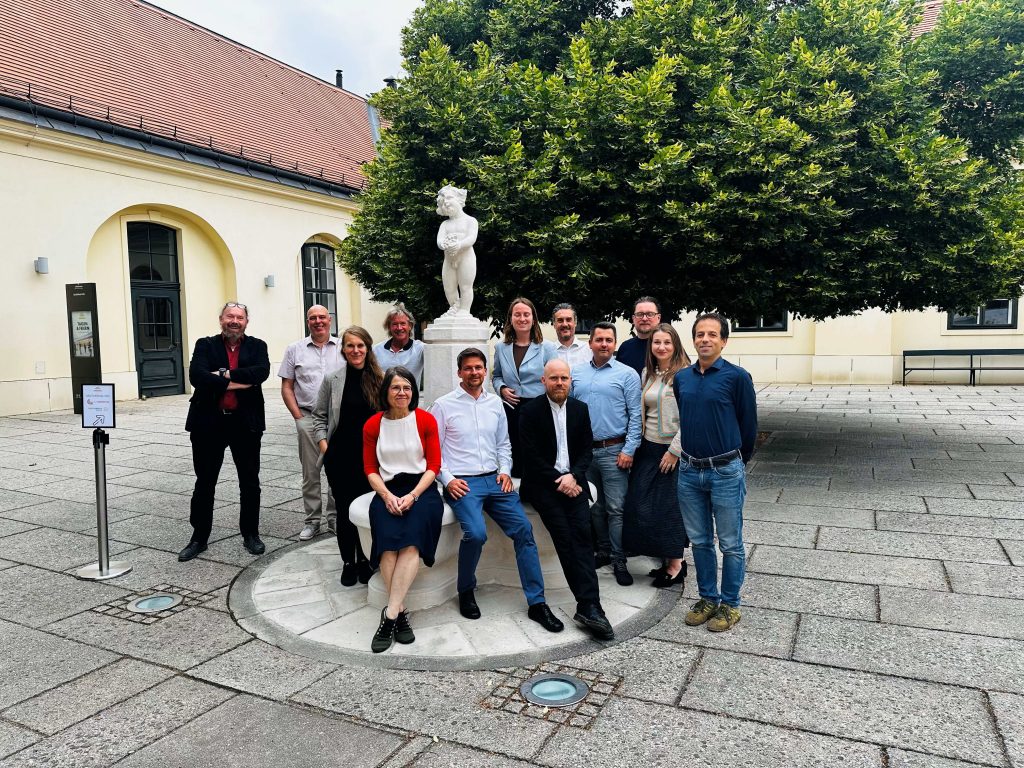

Geothermal Synergy: Iceland-Poland Knowledge Exchange
Geothermal Synergy: Iceland–Poland Knowledge Exchange (GeoSynergy) was co-financed by the Bilateral Cooperation Fund under the European Economic Area Grants 2014–2021 and the Norway Grants 2014–2021, within the Environment, Energy and Climate Change Programme.
The project strengthens collaboration between Iceland and Poland to advance geothermal energy through knowledge exchange, policy development, and strategic partnerships. Iceland’s long-standing expertise supports Poland in developing robust geothermal frameworks, contributing to climate targets, enhanced energy security, and long-term economic resilience.
Website: https://keygeothermal.pl/en/
EEA & Norway Grants Contribution: PLN 563 000
Duration: 1 September 2024 – 28 February 2025
Key activities in 2025 include:
- Study visit to Iceland:
A high-level study visit was organised in February 2025, bringing together Polish stakeholders and Icelandic experts for in-depth policy dialogue, technical exchange, and field visits to key geothermal sites. - Ongoing collaboration and Engagement:
A series of online meetings and joint activities ensured continuous cooperation, knowledge sharing, and broader stakeholder engagement throughout the project period.
The project also supports Poland’s pathway towards integration into the GEOTHERMICA Initiative, strengthening European collaboration in geothermal development. Implemented in partnership with Orkustofnun and MEERI PAS, and funded by the EEA and Norway Grants with support from Innovation Norway, the project has laid a strong foundation for long-term cooperation and a sustainable energy transition.
GeoThermal Bridge Initiative: Strengthening Iceland-Romania Bilateral Relationship
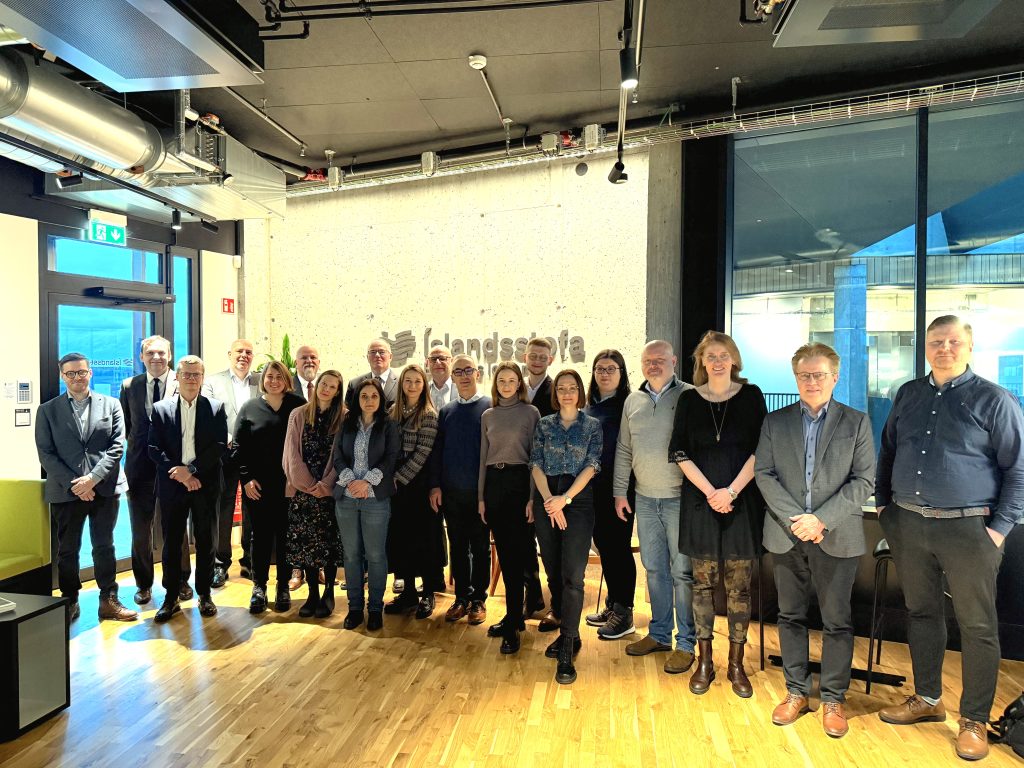
The Geothermal Bridge Initiative is a bilateral project between Iceland and Romania. The project is funded by EEA & Norway Grants, and is part of the Energy Programme Romania, which aims to reduce carbon-intensive energy and strengthen energy security. Project partners are GEORG Geothermal Research Cluster, the National Energy Authority of Iceland (Orkustofnun), and the Executive Agency for Higher Education, Research, Development, and Innovation Romania (UEFISCDI). The objectives of the project include knowledge transfer and capacity building; promoting R&D and technological advancement; and building long-term strategic cooperation between Iceland and Romania in the field of geothermal energy. Through a series of three high-impact workshops, the initiative brought together stakeholders from public authorities, academia, and industry to promote knowledge exchange and strengthen regional partnerships.
Budget: € 320 080
Duration: 1 June 2024 – 31 March 2025
Key activities include:
-
- Research & Education: Building capacity through joint research programs and academic exchanges to develop expertise in geothermal technology and its applications.
- Geothermal for Value Creation: Exploring innovative uses of geothermal energy beyond heating, such as food production, greenhouse agriculture, and tourism development.
- District Heating Systems: Identifying opportunities for integrating geothermal energy into district heating networks, improving energy efficiency, and reducing carbon footprints.
- Social License to Operate: Addressing community engagement and ensuring public support for geothermal projects through transparent communication and benefit-sharing mechanisms.
- Regulatory Improvements: Discussing the need for streamlined legal frameworks and supportive policies that can attract investment and accelerate geothermal energy development in the region.Workshop in Romania: GEORG co-organized a knowledge-sharing workshop in Oradea, Romania, in January 2025. Representatives from various regions in Romania and Iceland travelled to Oradea to participate in the workshop, along with representatives from Poland and the GEOTHERMICA Initiative. The workshop in Oradea highlighted several promising areas for future collaboration:
- Final Event of the EEA Grants Programme in Romania: Ester Halldorsdottir, Project Manager and GEORG’s lead in the project, was invited to present the project results at the Final Event of the EEA Grants Programme in March 2025 in Bucharest.

Highlights in 2025
GEORG Cluster’s Continued Role in ETIP Geothermal Steering Committee
ETIP Geothermal remains committed to advancing deep geothermal technology, solidifying its role in Europe’s energy transition and beyond. Alicja Stoklosa, as a member of the Steering Committee for 2024-2026, representing the GEORG Cluster, continues to contribute expertise, fostering collaboration among key players in the geothermal sector. By bringing together leading researchers, engineers, and industry experts, GEORG strengthens innovation and drives value creation in geothermal research, engineering, and design for the benefit of society.
GEORG’s engagement within the Steering Committee focuses on:
- Strengthening collaboration between European geothermal stakeholders to align funding strategies and research priorities.
- Identifying key innovations that enhance geothermal energy applications and sustainability.
- Deepening partnerships with global geothermal initiatives to accelerate knowledge exchange and deployment efforts.
Participation in ETIP Geothermal provides valuable opportunities to shape the future of geothermal energy while gaining access to cutting-edge technologies and emerging solutions. Through its leadership, GEORG continues to drive progress in making geothermal a cornerstone of Europe’s clean energy transition.

Showcasing Geothermal at BRYCK Tech Tour Energy & Decarbonisation 2025
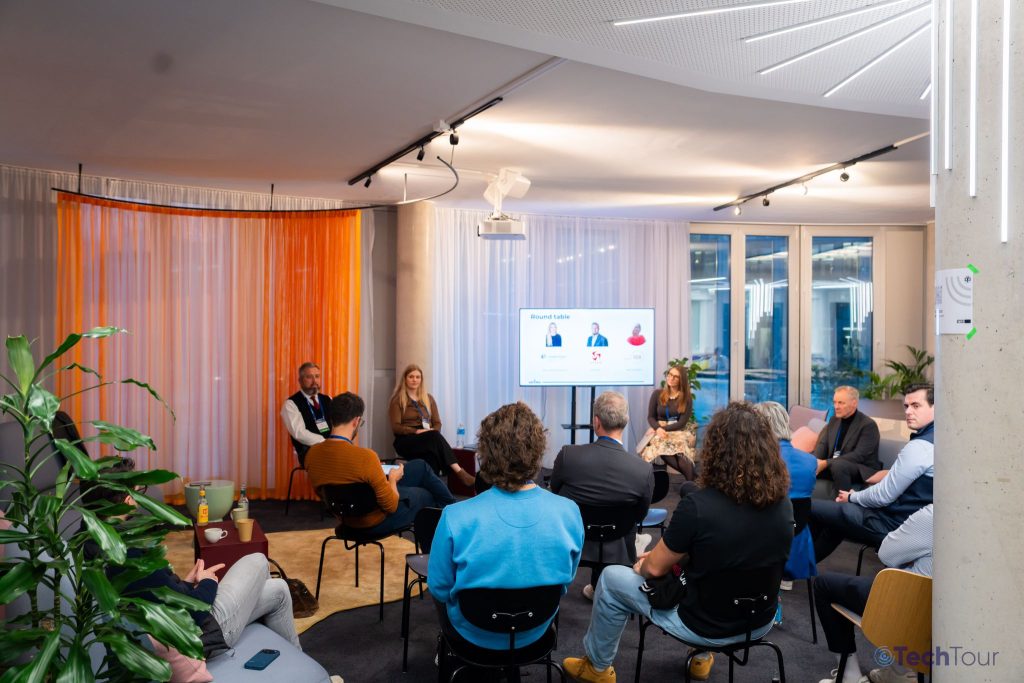
In late November, as part of the BRYCK partnership and the broader Tech Tour Energy & Decarbonisation 2025 programme, GEORG and Landsvirkjun co-organised a dedicated geothermal session that brought together industry leaders, investors, and experts to discuss pathways for scaling geothermal energy in Europe and beyond.
The session focused on sparking interest in geothermal innovation and investments, highlighting strengths in technology development, resource utilisation, and investment potential. Speakers underscored the latest advancements in geothermal systems, emerging business models, and evolving market opportunities across Europe’s heating, cooling, and power sectors.
The event reinforced geothermal energy’s essential role in delivering firm, renewable, baseload power and heating—combining reliability, sustainability, and innovation to support decarbonisation at scale.
GEORG at EGC 2025: Driving Collaboration in Geothermal Energy Deployment
GEORG actively participated in the European Geothermal Congress (EGC), held in Zürich, Switzerland, on 6-8 October 2025.
The Geothermal IWG, GEOTHERMICA Initiative, and IEA Geothermal co-organized a side event at the EGC – Underground Thermal Energy Storage (UTES) Symposium – which brought together experts, policymakers, and industry stakeholders to explore the market potential of UTES. GEORG runs the secretariats for the Geothermal IWG and GEOTHERMICA Initiative and thus co-lead the planning and execution of this successful event with IEA Geothermal. More about the event here https://www.geothermica.eu/article/utes-symposium-in-zurich-2025
GEORG also took part in poster sessions at the EGC, with Alicja Stoklosa presenting on behalf of both the GEOTHERMICA Initiative and the CETPartnership Heating & Cooling Initiative. The posters highlighted collaborative efforts driving innovation in geothermal technologies and international partnerships.
GEORG co-organised the final meeting of the COMPASS Project, which also took place at the EGC, a milestone event that brought together stakeholders to reflect on achievements and chart the path forward. Amel Barich shared insights from the COMPASS project during a roundtable presentation, “Developing Effective Communication Guidelines for Geothermal Energy Projects,” which focused on building impactful communication strategies that resonate with diverse audiences. Her talk emphasised the importance of transparency, storytelling, and stakeholder engagement in geothermal energy initiatives.
Throughout the congress, the GEORG Team engaged in discussions with Icelandic, Polish, German, Dutch, and Belgian partners, reinforcing its strong ties within the international geothermal community and exploring new avenues for collaboration and joint research. GEORG remains committed to fostering innovation and cooperation in the field of geothermal energy.

Heating & Cooling Knowledge Sharing Workshop
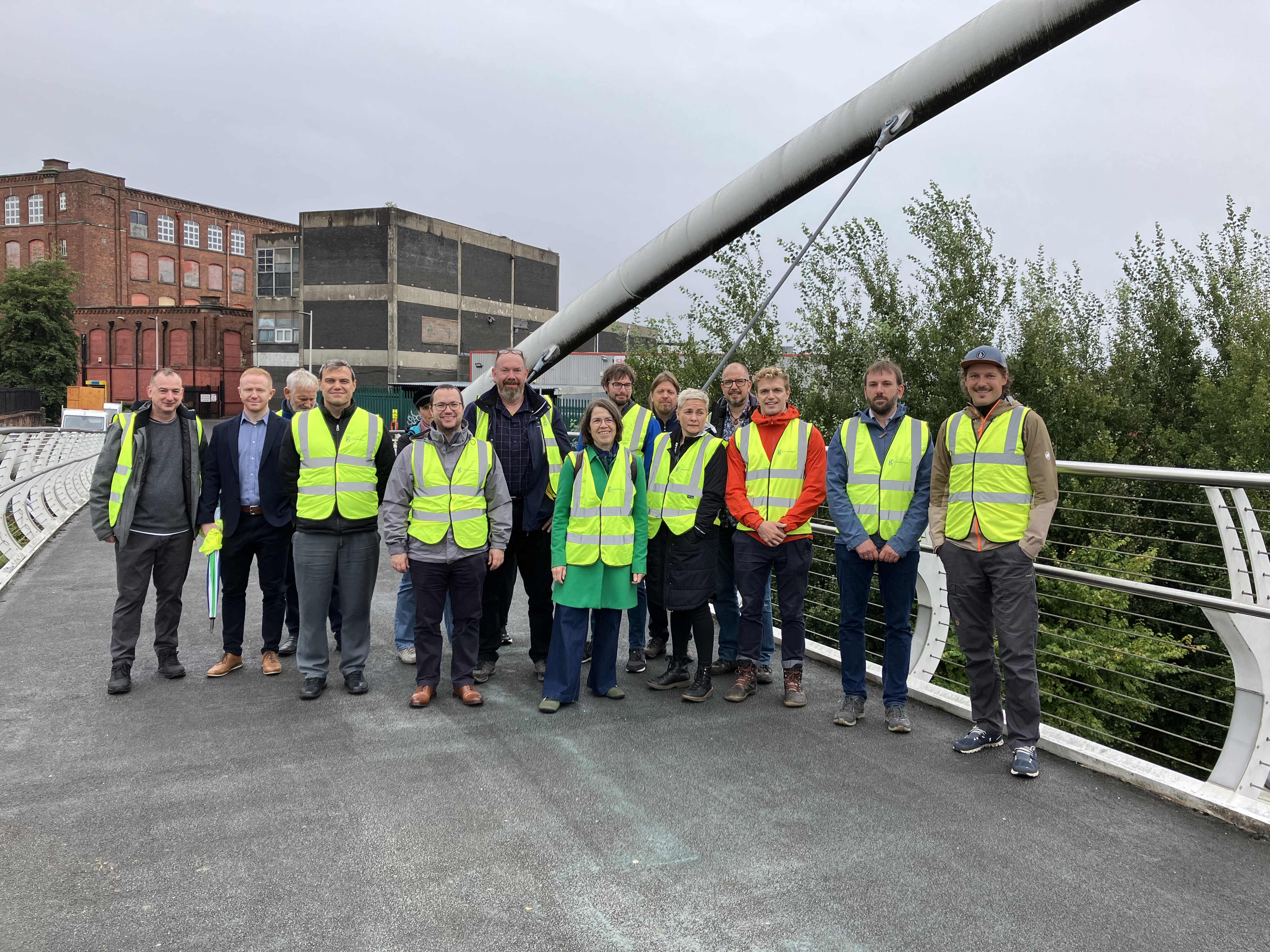
On 16–17 September 2025, GEORG proudly co-organised a Knowledge-Sharing Workshop in Glasgow, bringing together leading European projects that drive the decarbonization of heating and cooling systems. The event was hosted at The Ramshorn and jointly organised with the University of Strathclyde, Scottish Enterprise, the CETPartnership, and the GEOTHERMICA Initiative, in cooperation with JPP SES.
The workshop gathered over 40 participants from transnational projects funded through the CETPartnership Joint Calls 2022 and 2023, as well as GEOTHERMICA and JPP SES. It provided a platform to exchange knowledge, strengthen collaboration, and showcase tangible progress in geothermal energy, thermal storage, and the integration of smart energy systems.
GEORG’s role focused on connecting stakeholders, fostering dialogue, and making results visible, ensuring that researchers, companies, and funding agencies could share insights and build new synergies.
Research projects presented promising pathways for integrating renewable and local energy sources into both industrial and residential heating systems. Participants highlighted the value of the workshop in providing technical insights, strong networking opportunities, and a real sense of momentum behind the heating and cooling transition.
GEORG Supports UTES Workshop & Joint Geothermal IWG / GEOTHERMICA Initiative Meeting in Vienna
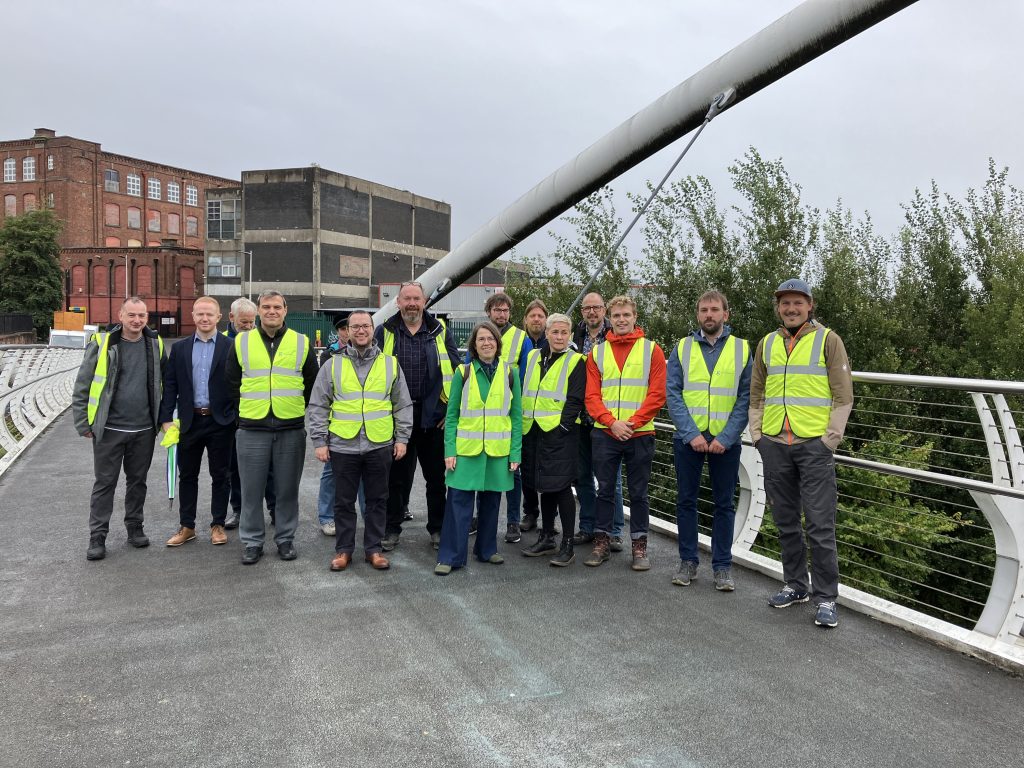
The International Energy Agency Geothermal (IEA), the GEOTHERMICA Initiative, and the Geothermal Implementation Working Group (IWG) co-organized a workshop focusing on UTES policies and strategies in European member states on the 22 of May 2025 in Schloss Schönbrunn in Vienna. GEORG leads the GEOTHERMICA Initiative Office, as well as the Geothermal IWG Secretariat, and thus has an active role in the activities of these organizations.
Participants from Iceland, Austria, Germany, Poland, the Netherlands, Norway, Finland, and Belgium attended the workshop. Representatives of public authorities discussed and compared UTES policies in their respective countries, while representatives from BNG Bank, Ruden, Qheat, and Wien Energy introduced successful UTES projects and business cases to the audience. The importance of UTES for the energy transition is increasingly recognized in Europe.
GEORG coordinated a joint meeting for the members of the Geothermal IWG and the GEOTHERMICA Initiative in conjunction with the District Heating & Cooling Days 2025. The meeting took place in Vienna on 23 May 2025.

Advancing Superhot Geothermal Energy through Collaboration, Training, and Dialogue
In May 2025, Reykjavík became the focal point of Europe’s geothermal innovation landscape as the COMPASS project hosted a week of high-impact activities during Iceland Innovation Week. GEORG, as one of the core COMPASS partners and the national geothermal research cluster, played a central role in shaping and delivering the programme.
COMPASS Iceland Week, held from 13–16 May, brought together scientists, engineers, operators, policymakers, and students to accelerate the conversation around superhot geothermal (SHG) — one of the most promising and complex frontiers in clean energy.
GEORG’s Contribution to the Week
The week was coordinated by Dr. Amel Barich from GEORG, in close collaboration with Orkuveitan and ON Power. GEORG contributed to all three main events:
- Final General Assembly: The COMPASS consortium met for a full-day session to review the project’s progress and prepare for its final months. GEORG contributed to the strategic review and planning for dissemination and exploitation, with a focus on delivering value beyond the project’s lifetime.
- International Summer School: GEORG coordinated the COMPASS Summer School, which welcomed 35 participants from 17 countries and 5 continents. The two-day programme included lectures from 14 geothermal experts, a poster session, and a field visit to the IDDP-2 deep drilling site at Reykjanes. The school focused on high-temperature well systems and materials, aligning with COMPASS’s core research areas.
- National Stakeholder Workshop: GEORG also co-organised the COMPASS Stakeholder Workshop, which brought together leading voices from Iceland’s geothermal sector. Two panels — one strategic and one technical — explored enabling conditions for SHG, lessons from IDDP, and the importance of public engagement and sector alignment.
Looking Ahead
As the COMPASS project enters its final phase, GEORG remains committed to supporting the advancement of superhot geothermal energy — through research coordination, stakeholder engagement, and capacity building. Insights gathered during COMPASS Iceland Week will directly inform the project’s final roadmap and dissemination activities.
We thank all our partners, speakers, students, and participants who made this week a success. We also invite the broader geothermal community to explore the event recap and photo gallery available on the COMPASS website.
Strengthening Regional Collaboration: International Workshop in Romania
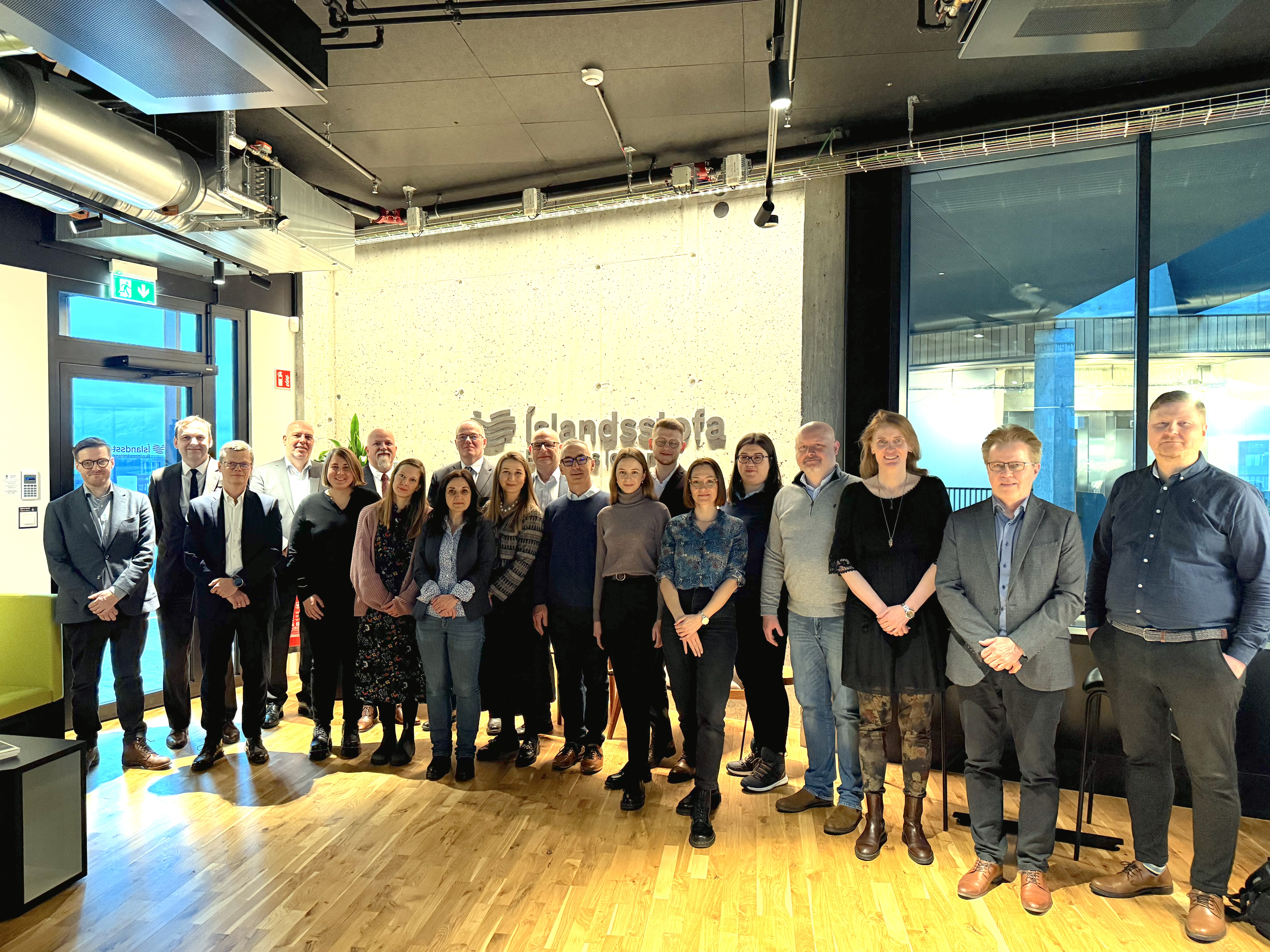
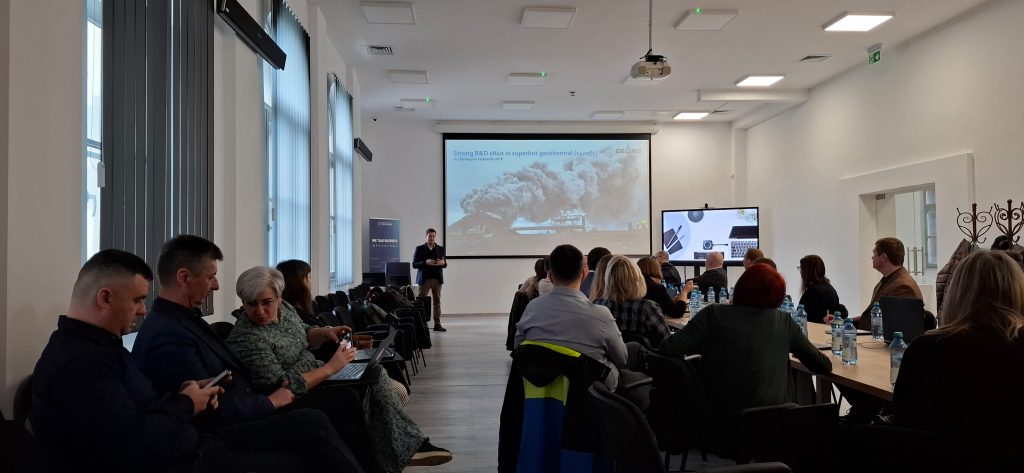
The third and final workshop of the GeoThermal Bridge Initiative, funded by the EEA and Norway Grants, took place in Oradea, Romania from January 28–29, bringing together key stakeholders from Romania, Iceland, Poland, and other GEOTHERMICA Initiative Member States. The event marked a significant milestone in fostering regional collaboration and knowledge-sharing on low- to medium-temperature geothermal energy development.
About the GeoThermal Bridge Initiative
The GeoThermal Bridge Initiative was designed to strengthen the bilateral relationship between Iceland and Romania, as well as regional collaboration on the development of geothermal energy. With Romania as a key partner, the project aims to support the country’s growing interest in geothermal energy by facilitating knowledge exchange, improving regulatory frameworks, and enhancing technical expertise.
Through a series of workshops, the project has provided a platform for stakeholders including policy makers, academics, researchers, and industry representatives to discuss innovative solutions for geothermal energy exploitation in the region. This initiative has laid the groundwork for collaborative research, education exchanges, and joint projects that promote sustainable energy solutions and economic growth.
The Final Workshop in Oradea, Romania
Representatives from various regions in Romania and Iceland travelled to Oradea to participate in the workshop, along with representatives from Poland and the GEOTHERMICA Initiative. The workshop in Oradea highlighted several promising areas for future collaboration:
- Research & Education: Building capacity through joint research programs and academic exchanges to develop expertise in geothermal technology and its applications.
- Geothermal for Value Creation: Exploring innovative uses of geothermal energy beyond heating, such as food production, greenhouse agriculture, and tourism development.
- District Heating Systems: Identifying opportunities for integrating geothermal energy into district heating networks, improving energy efficiency, and reducing carbon footprints.
- Social License to Operate: Addressing community engagement and ensuring public support for geothermal projects through transparent communication and benefit-sharing mechanisms.
- Regulatory Improvements: Discussing the need for streamlined legal frameworks and supportive policies that can attract investment and accelerate geothermal energy development in the region.
The Role of Oradea in Geothermal Development
Oradea, known for its geothermal resources, served as an ideal location for this final workshop. The city has long been a leader in utilizing geothermal energy for district heating, providing a practical example of how this renewable resource can drive local development and improve quality of life. Workshop participants had the opportunity to visit local geothermal installations and gain hands-on insights into the city’s innovative energy solutions.
Strengthening Iceland-Romania Collaboration
One of the key achievements of the project has been establishing a strong foundation for continued cooperation between Romania and Iceland. By leveraging Iceland’s extensive experience in geothermal energy utilization and combining it with Romania’s resource potential, the two countries can develop joint projects that benefit both nations and the wider region.
Looking Ahead
As the Geothermal Bridge Initiative concludes, it leaves behind a legacy of strengthened regional collaboration, improved knowledge-sharing, and a clearer roadmap for developing geothermal resources in Central and Eastern Europe. The partnerships formed through this project are expected to spark future research, investment, and innovation in geothermal energy, contributing to Europe’s broader transition toward sustainable and clean energy solutions.
Special thanks go to the project partners—UEFISCDI, Icelandic Environment & Energy Agency, and Oradea City Hall—for their dedicated support and collaboration throughout the initiative.
High-level Knowledge Exchange Between Iceland & Poland
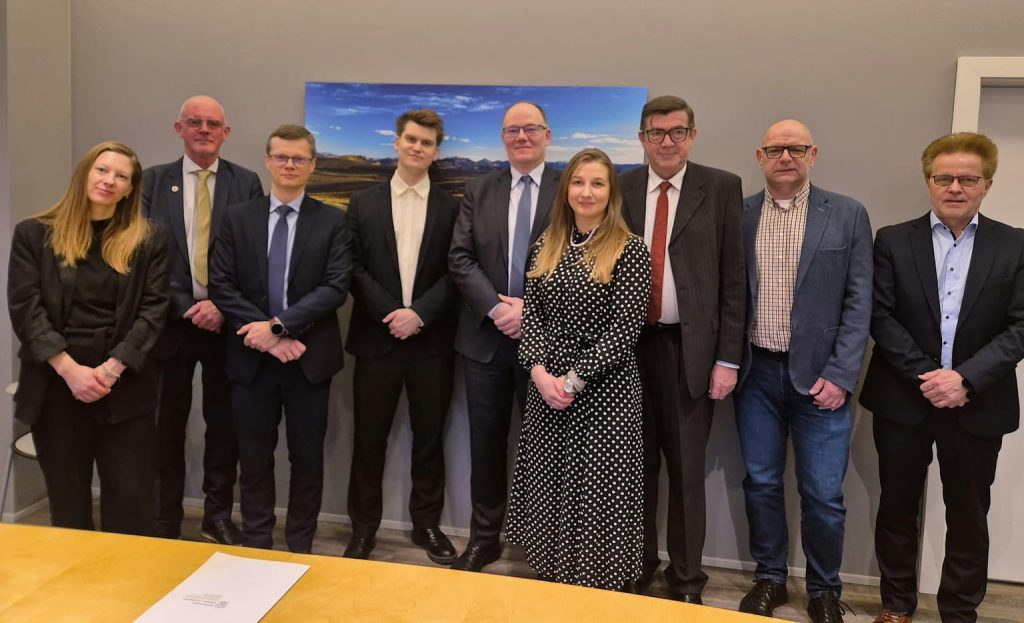
On February 11-12, a delegation from Poland took part in study visit to Iceland through the Geothermal Synergy Project, launched in 2024, to further advance their geothermal energy collaboration. Under the GEOTHERMICA Initiative, this six-month project is a cooperation project between the Environment and Energy Agency (EEA) in Iceland and MEERI PAS in Poland to bridge Iceland’s expertise with Poland’s geothermal potential, supporting sustainable energy development.
The study tour provided first-hand insights into Iceland’s geothermal infrastructure and regulatory frameworks, fostering stronger collaboration between Polish and Icelandic government bodies. Participants took part in an in-depth study tour of Iceland’s geothermal sites. The visit strengthened technical cooperation and policy exchange, particularly in district heating systems, industrial geothermal applications, and innovation strategies.
The first day of the study tour focused on the Round Table Meeting to discuss geothermal energy cooperation, regulatory frameworks, and strategic collaboration opportunities. Officials from the Polish delegation alongside the Chargé d’Affaires of the Embassy of Poland in Iceland attended the event. The meeting was opened by Mr Gestur Pétursson from Iceland’s Environmental and Energy Agency, followed by Mr Krzysztof Galos (Ministry of Climate & Environment, Poland) and Ms Magdalena Wdowin and Magdalena Tyszer (MEERI PAS, Poland), who emphasised the importance of bilateral cooperation in geothermal energy development. Project has been driven by Beata Kępińska and MEERI PAS team, Baldur Pétursson and Alicja Wiktoria Stoklosa in the National Energy Authority.
This would not happen without cooperation with Wojciech Łysik, Piotr Bogusz and the Ministry of Environment and Climate team in Poland, who strongly advocate for the ministry to join the exceptional team for the study visit in Iceland. The project has enhanced bilateral cooperation, bringing together ministries, municipalities, and businesses in both countries. Due to geothermal projects’ technical, legal, and financial complexities, these initiatives have facilitated capacity building, knowledge sharing, networking, and cooperation in business partnerships. Therefore, these factors highlight the importance of such projects for long-term collaboration between Poland and Iceland in geothermal energy. “The cooperation between Poland and Iceland in the field of geothermal energy should continue to grow. Thanks to this collaboration, Poland has been able to train specialists, enhance competencies — particularly among local governments — and encourage increased investments in this renewable energy source,” said Krzysztof Galos, Polish Deputy Minister of Climate and Environment.
The key outcomes of the meeting highlighted the need to strengthen Poland’s engagement with the GEOTHERMICA Initiative, allowing access to European geothermal research networks and funding mechanisms. Participants recognised the value of leveraging Iceland’s expertise in district heating to develop efficient, scalable models that can be implemented in Polish municipalities.
Policy and regulatory frameworks – lessons from Iceland
An element of the visit was learning from Iceland’s successful regulatory framework. By studying Iceland’s policy approach, Polish officials explored ways to develop supportive policies for geothermal energy, including permitting processes, financial incentives, and risk mitigation strategies to accelerate Poland’s transition to sustainable heating solutions. The delegation also met with representatives from the GEOTHERMICA Initiative, reinforcing Poland’s growing interest in aligning with the European geothermal research and development network. By leveraging existing frameworks and strategic support, Poland aims to enhance its international collaboration in geothermal energy and further integrate into multinational innovation and funding programs by 2025.